
Stay informed about the latest developments in solar-storage container technology, photovoltaic storage systems, containerized PV solutions, and renewable energy innovations.
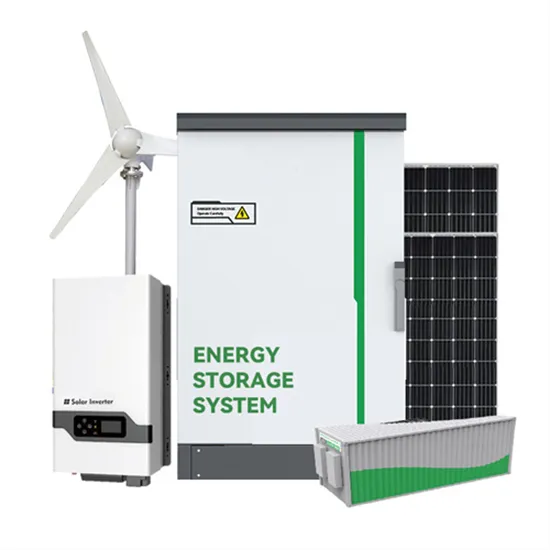
The operation of the electricity network has grown more complex due to the increased adoption of renewable energy resources, such as wind and solar power. Using energy storage technology can improve the stability and quality of the power grid. One such technology is flywheel energy storage systems (FESSs).
Flywheel energy storage is mostly used in hybrid systems that complement solar and wind energy by enhancing their stability and balancing the grid frequency because of their quicker response times or with high-energy density storage solutions like Li-ion batteries .
Fly wheels store energy in mechanical rotational energy to be then converted into the required power form when required. Energy storage is a vital component of any power system, as the stored energy can be used to offset inconsistencies in the power delivery system.
Traditional flywheel systems require strong containment vessels as a safety precaution, which increases the total mass of the device. The energy release from failure can be dampened with a gelatinous or encapsulated liquid inner housing lining, which will boil and absorb the energy of destruction.
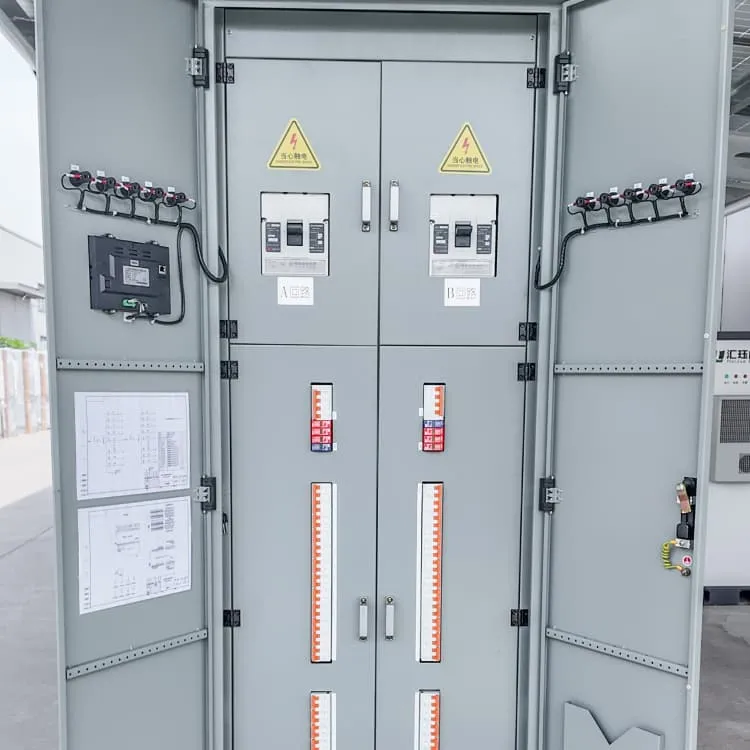
Battery Management System (BMS) is the “intelligent manager” of modern battery packs, widely used in fields such as electric vehicles, energy storage stations, and consumer electronics.
One of the key functions of a BMS is cell balancing, which ensures that each cell in a battery pack is charged and discharged uniformly. Cells in series often exhibit slight differences in capacity, causing certain cells to overcharge or undercharge.
2. Battery Management Controller (BMC) At the core of the BMS is the Battery Management Controller (BMC), which processes data from sensors and takes appropriate actions. The BMC is responsible for controlling the charging and discharging cycles of the battery, cell balancing, and overall system diagnostics.
Power Control and Protection The BMS is equipped with power control circuitry that protects the battery pack from dangerous conditions such as overvoltage, undervoltage, overcurrent, and temperature extremes.


From real-time monitoring and cell balancing to thermal management and fault detection, a BMS plays a vital role in extending battery life and improving overall performance. As the demand for electric vehicles (EVs), energy storage systems (ESS), and renewable energy solutions grows, BMS technology will continue evolving.
A Battery Management System manages the health of the battery pack installed in electric vehicles. It acts as a safeguard against various issues that can cause the battery to malfunction. The Central Control Unit (CCU) and Local Control Unit (LCU) in the BMS framework help improve system performance, safety, and cell management.
BMS is the “nerve center” of the battery system, and its technological level directly determines the safety, lifespan, and performance of the battery. With the outbreak of the new energy industry, BMS is rapidly evolving towards a more intelligent, precise, and reliable direction.
For this, Embitel provides a variety algorithm as part of BMS solution that extend the battery's lifespan and efficiency under stress. In order to detect Over-Voltage and Under-Voltage, BMS actively monitors the voltage of each cell and the battery pack. The battery pack is protected from overcharging and over discharge via overcurrent monitoring.










