
Stay informed about the latest developments in solar-storage container technology, photovoltaic storage systems, containerized PV solutions, and renewable energy innovations.
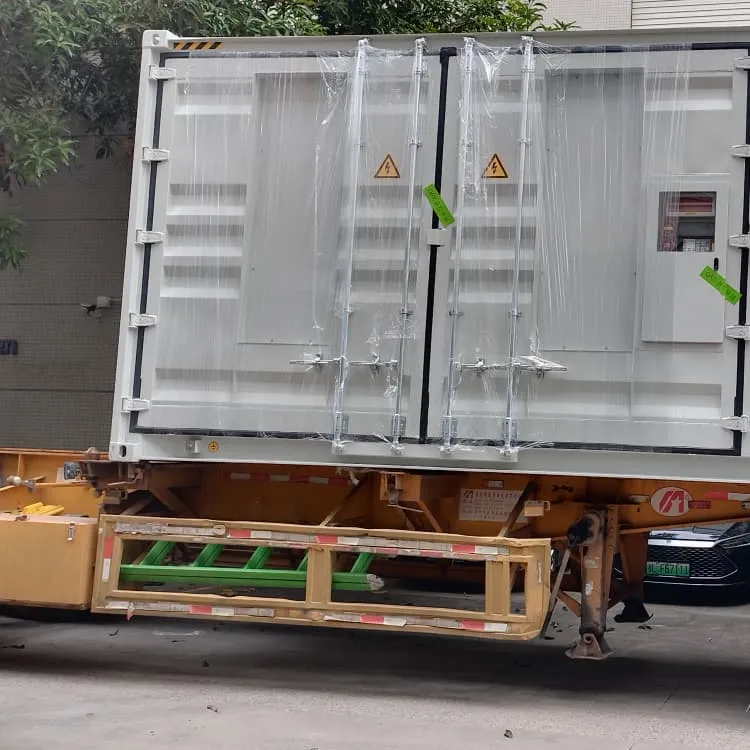
On February 26, 2025, the Secretary of Industry & Commerce in Argentina published new resolutions— Resolution 16/2025, Resolution 17/2025, and Resolution 25/2025 —that revoke the former Resolution 169/2018 and establish updated technical regulations to govern Electrical Safety Certification in Argentina.
Faced with rising electricity demand (over 6% annually) and declining reserve margins, the government of Argentina is in the process of commissioning large projects, both in the generation and transmission sectors. To keep up with rising demand, it is estimated that about 1,000 MW of new generation capacity are needed each year.
The disclaimer must include a tag that indicates the product does not come with a standard power plug for Argentina, and that a certified grounded adapter is necessary to ensure safety. The following previous regulations are no longer in force as of February 26, 2025:
Argentina uses Type I electrical outlets with standard voltage of 220V and 50Hz frequency. If your device plugs don't match Argentina's standards, we recommend purchasing suitable travel adapters in advance to ensure proper use. What power plug types are used in Argentina?

The main difference between flow batteries and other rechargeable battery types is that the aqueous electrolyte solution usually found in other batteries is not stored in the cells around the positive electrode and negative electrode. Instead, the active materials are stored in exterior tanks and pumped toward a flow cell membrane and power stack.
In contrast with conventional batteries, flow batteries store energy in the electrolyte solutions. Therefore, the power and energy ratings are independent, the storage capacity being determined by the quantity of electrolyte used and the power rating determined by the active area of the cell stack.
Flow batteries can release energy continuously at a high rate of discharge for up to 10 h. Three different electrolytes form the basis of existing designs of flow batteries currently in demonstration or in large-scale project development.
There is no simultaneous charging and discharging going on. Draw out the circuit and follow the currents. You can conceptualize the above example as 1 A charging the battery and 3 A discharging it, but the battery sees the sum. Again, draw a diagram and it should be more clear. Handwaving makes everything difficult to understand.










