
Stay informed about the latest developments in solar-storage container technology, photovoltaic storage systems, containerized PV solutions, and renewable energy innovations.

The main difference between flow batteries and other rechargeable battery types is that the aqueous electrolyte solution usually found in other batteries is not stored in the cells around the positive electrode and negative electrode. Instead, the active materials are stored in exterior tanks and pumped toward a flow cell membrane and power stack.
In contrast with conventional batteries, flow batteries store energy in the electrolyte solutions. Therefore, the power and energy ratings are independent, the storage capacity being determined by the quantity of electrolyte used and the power rating determined by the active area of the cell stack.
Flow batteries can release energy continuously at a high rate of discharge for up to 10 h. Three different electrolytes form the basis of existing designs of flow batteries currently in demonstration or in large-scale project development.
There is no simultaneous charging and discharging going on. Draw out the circuit and follow the currents. You can conceptualize the above example as 1 A charging the battery and 3 A discharging it, but the battery sees the sum. Again, draw a diagram and it should be more clear. Handwaving makes everything difficult to understand.
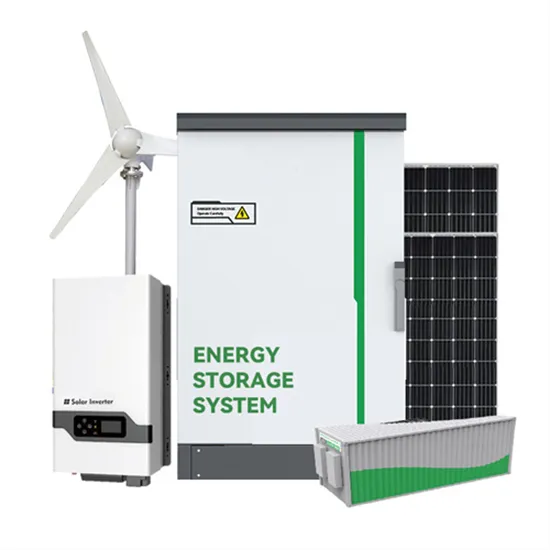
The operation of the electricity network has grown more complex due to the increased adoption of renewable energy resources, such as wind and solar power. Using energy storage technology can improve the stability and quality of the power grid. One such technology is flywheel energy storage systems (FESSs).
Flywheel energy storage is mostly used in hybrid systems that complement solar and wind energy by enhancing their stability and balancing the grid frequency because of their quicker response times or with high-energy density storage solutions like Li-ion batteries .
Fly wheels store energy in mechanical rotational energy to be then converted into the required power form when required. Energy storage is a vital component of any power system, as the stored energy can be used to offset inconsistencies in the power delivery system.
Traditional flywheel systems require strong containment vessels as a safety precaution, which increases the total mass of the device. The energy release from failure can be dampened with a gelatinous or encapsulated liquid inner housing lining, which will boil and absorb the energy of destruction.










