
Stay informed about the latest developments in solar-storage container technology, photovoltaic storage systems, containerized PV solutions, and renewable energy innovations.

The Czech Republic had almost two gigawatts (GW) of photovoltaic capacity at the end of 2010, but installed less than 10 megawatts (MW) in 2011 due to the feed-in tariff being reduced by 25%, after installing almost 1,500 MW the year before.
In 2021, the Czech Republic will have a solar installed capacity of around 2119 MW, with a renewable energy capacity of around 4415 MW. Czech Republic's renewable energy shares around 21.1% of the total electricity generation in the country.
Solar energy is the radiation the Sun emits that can create heat, trigger chemical reactions, or create electricity. The total solar energy incident on Earth is far greater than the global energy needs at the moment and in the future. The report offers the market size and forecasts for Czech Republic solar energy in installed capacity (MW).
The project will cost an estimated 6 billion euros, making it the largest investment ever made in the Czech Republic. In March 2022, Czechia informed the Commission in March 2022 that it intended to fund the development and operation of a new nuclear power station in Dukovany with a maximum electricity output capacity of 1200 MW.


Monocrystalline solar panels are one of the most popular and efficient choices for homeowners today. Known for their sleek black design and impressive performance, these panels convert more sunlight into electricity than any other type. They’re a smart pick if you want to make the most of your roof space and get long-term energy savings.
Monocrystalline panels begin with a pure silicon seed crystal grown using the Czochralski method. This seed is slowly pulled from molten silicon, forming a single crystal ingot. The ingot is then sliced into thin wafers and treated with anti-reflective coatings and metal contacts to form solar cells.
As we said above, a monocrystal solar panel is made of silicon - the second-most abundant element in the Earth's crust. The monocrystal panel manufacturing process begins with the extraction of silicon from sand by heating it with carbon at temperatures exceeding 3000° C. To produce a solar panel monocrystalline ingots are formed.
A single monocrystalline panel typically costs between $350 and $525 for a 350-watt unit. Pricing varies by manufacturer, efficiency rating, and technology tier. While these panels carry a higher price tag than other types, their performance and longevity often justify the investment.
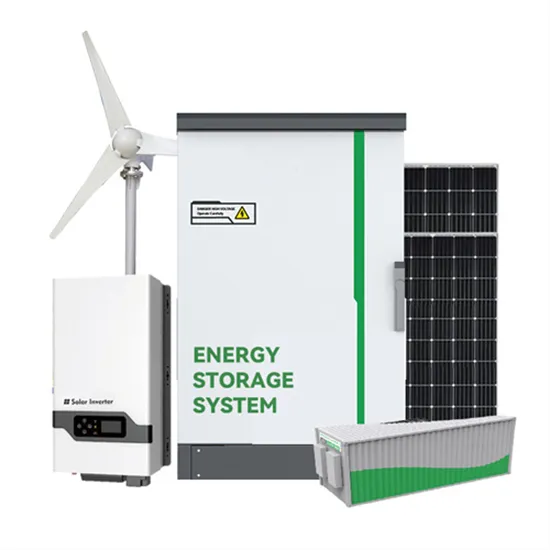
The operation of the electricity network has grown more complex due to the increased adoption of renewable energy resources, such as wind and solar power. Using energy storage technology can improve the stability and quality of the power grid. One such technology is flywheel energy storage systems (FESSs).
Flywheel energy storage is mostly used in hybrid systems that complement solar and wind energy by enhancing their stability and balancing the grid frequency because of their quicker response times or with high-energy density storage solutions like Li-ion batteries .
Fly wheels store energy in mechanical rotational energy to be then converted into the required power form when required. Energy storage is a vital component of any power system, as the stored energy can be used to offset inconsistencies in the power delivery system.
Traditional flywheel systems require strong containment vessels as a safety precaution, which increases the total mass of the device. The energy release from failure can be dampened with a gelatinous or encapsulated liquid inner housing lining, which will boil and absorb the energy of destruction.










