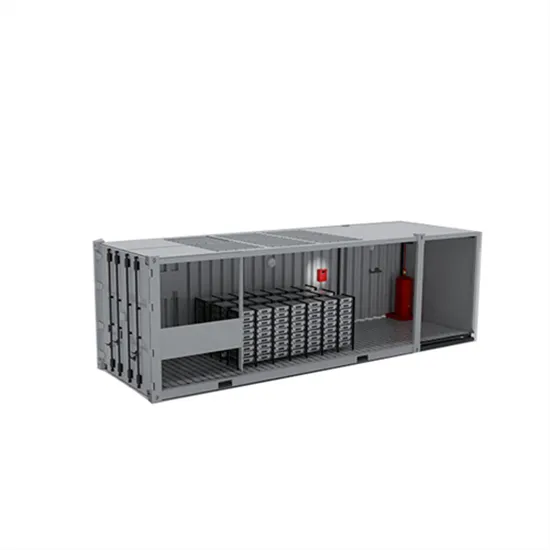
Pissoort mentioned the possibility of VRFBs in the 1930s. NASA researchers and Pellegri and Spaziante followed suit in the 1970s, but neither was successful. presented the first successful demonstration of an All-Vanadium Redox Flow Battery employing dissolved vanadium in a solution of in the 1980s. Her design used sulfuric acid electrolytes,.
[PDF Version]
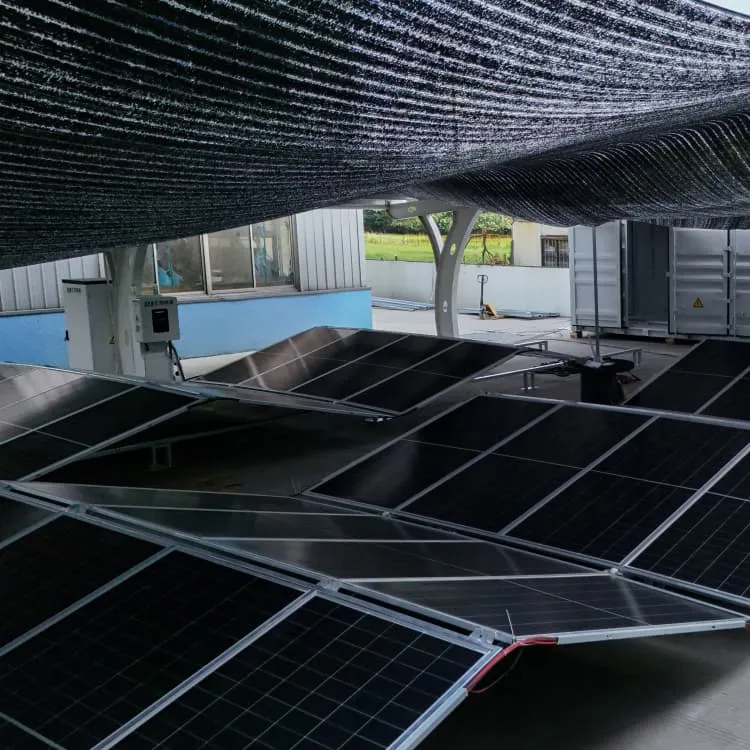
Based on the leakage circuit, mass and energy conservation, electrochemicals reaction in porous electrode, and also the effect of electric field on vanadium ion cross permeation in membrane, a model of kilowatt vanadium flow battery stack was established..
Based on the leakage circuit, mass and energy conservation, electrochemicals reaction in porous electrode, and also the effect of electric field on vanadium ion cross permeation in membrane, a model of kilowatt vanadium flow battery stack was established..
Flow battery is one of the most promising energy storage systems, due to their rapid responseandexcellentbalancedcapacitybetweendemandandsupply.Especially,the all-vanadium flow battery (VFB), that minimizes the adverse cross-contamination by cycling the same vanadium element for redox reactions in. .
Based on the leakage circuit, mass and energy conservation, electrochemicals reaction in porous electrode, and also the effect of electric field on vanadium ion cross permeation in membrane, a model of kilowatt vanadium flow battery stack was established. The electro chemical reaction parameters.
[PDF Version]
A semi-solid-state battery (also formally known as a quasi-solid-state battery, QSSB) is a type of that serves as an intermediate technology between conventional (LIB) with liquid electrolytes and (ASSB) using a hybrid solid-liquid semi-solid-state electrolyte. The primary goal of this technology is to improve battery safety by reducing the amount of flam.
[PDF Version]
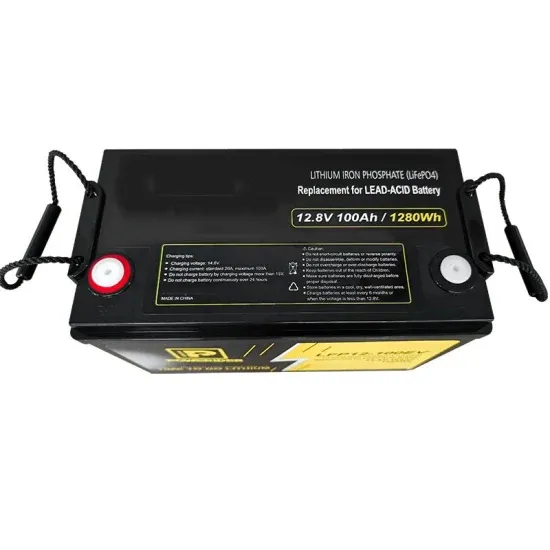
Because MXenes can store ions between their atomically thin layers and control the flow of those ions through the layers, MXenes are being studied for energy storage, industrial catalysts, electromagnetic interference shielding and numerous other cutting-edge technologies..
Because MXenes can store ions between their atomically thin layers and control the flow of those ions through the layers, MXenes are being studied for energy storage, industrial catalysts, electromagnetic interference shielding and numerous other cutting-edge technologies..
In the past decade, MXenes, a new class of advanced functional 2D nanomaterials, have emerged among numerous types of electrode materials for electrochemical energy storage devices. MXene and their composites have opened up an interesting new opportunity in the field of functional materials, owing. .
This particular MXene, a combination of niobium, carbon and chlorine, was synthesized using a new "bottom-up" method pioneered by researchers from the University of Chicago, University of Illinois Chicago and Vanderbilt University through the NSF Center for Chemical Innovation on MXenes Synthesis.
[PDF Version]
Pissoort mentioned the possibility of VRFBs in the 1930s. NASA researchers and Pellegri and Spaziante followed suit in the 1970s, but neither was successful. presented the first successful demonstration of an All-Vanadium Redox Flow Battery employing dissolved vanadium in a solution of in the 1980s. Her design used sulfuric acid electrolytes,.
[PDF Version]
An RV battery management system (BMS) monitors all aspects of an RV solar setup. From the number of amps the solar panels are sending to the solar charge controllerand the state of charge of your RV batt.
[PDF Version]