
Stay informed about the latest developments in solar-storage container technology, photovoltaic storage systems, containerized PV solutions, and renewable energy innovations.


Amid global carbon neutrality goals, energy storage has become pivotal for the renewable energy transition. Lithium Iron Phosphate (LiFePO₄, LFP) batteries, with their triple advantages of enhanced safety, extended cycle life, and lower costs, are displacing traditional ternary lithium batteries as the preferred choice for energy storage.
Batteries with excellent cycling stability are the cornerstone for ensuring the long life, low degradation, and high reliability of battery systems. In the field of lithium iron phosphate batteries, continuous innovation has led to notable improvements in high-rate performance and cycle stability.
Lithium Iron Phosphate batteries have high power density when compared to other LIBs. This allows the LFP battery to charge and discharge currents along with an increased pulse load capacity. With higher currents, LFP cells can be charged quickly but constant rapid charging shortens the lifespan of this battery.
Battery Reuse and Life Extension Recovered lithium iron phosphate batteries can be reused. Using advanced technology and techniques, the batteries are disassembled and separated, and valuable materials such as lithium, iron and phosphorus are extracted from them.
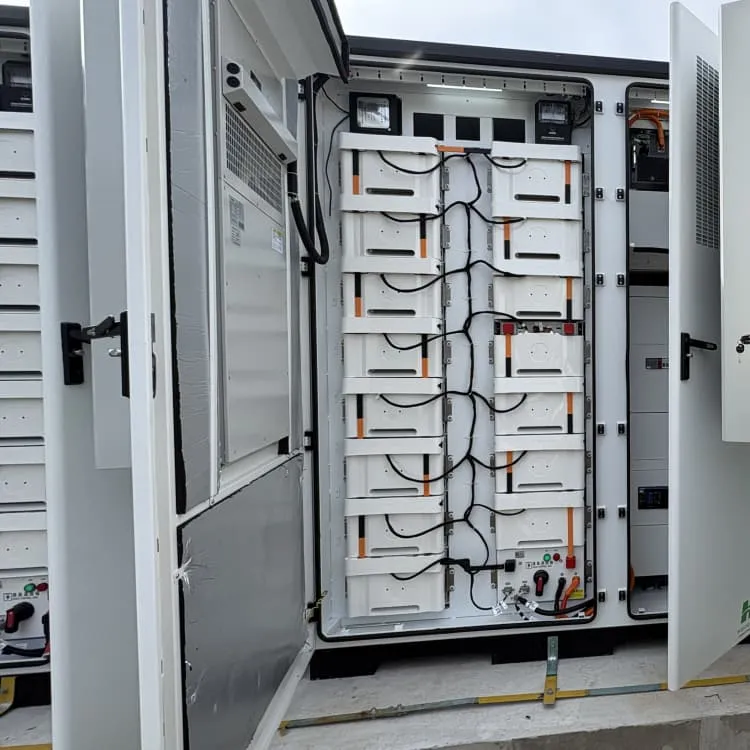

A base transceiver station (BTS) or a baseband unit (BBU) is a piece of equipment that facilitates wireless communication between user equipment (UE) and a network. UEs are devices like mobile phones (handsets), WLL phones, computers with wireless Internet connectivity, or antennas mounted on buildings or telecommunication towers.
A base station represents an access point for a wireless device to communicate within its coverage area. It usually connects the device to other networks or devices through a dedicated high bandwidth wire of fiber optic connection. Base stations typically have a transceiver, capable of sending and receiving wireless signals;
Base stations are important in the cellular communication as it facilitate seamless communication between mobile devices and the network communication. The demand for efficient data transmission are increased as we are advancing towards new technologies such as 5G and other data intensive applications.
The base station's RF circuitry is housed in a small outdoor module known as a remote radio head (RRH) or remote radio unit (RRU). RRH performs all RF functions such as transmit and receive functionality, filtering and amplification. It also has analog-to-digital or digital to analog and digital upconverters.












