Solar shingles, or solar roof tiles, are made of slim photovoltaic (PV) sheets that either overlay or replace the existing shingles on a roof. They absorb sunlight and convert it into electricity. By relying on this m.
[PDF Version]

Cadmium telluride (CdTe) photovoltaics is a photovoltaic (PV) technology based on the use of cadmium telluride in a thin semiconductor layer designed to absorb and convert sunlight into electricity. Cadmium telluride PV is the only thin film technology with lower costs than conventional solar cells made of crystalline silicon in multi-kilowatt systems. On a lifecycle basis, CdTe PV has the smalles. BackgroundThe dominant PV technology has always been based on wafers. and were early attempts to lower costs. Thin films are based on using thinner layers to absorb an. .
Research in CdTe dates back to the 1950s, because its band gap (~1.5 eV) is almost a perfect match to the distribution of photons in the solar spectrum in terms of conversion to electricity. A simple design evolved in. .
In August 2014 First Solar announced a device with 21.1% . In February 2016, First Solar announced that they had reached a record 22.1% conversion efficiency in their CdTe cells. In 2014, the r.
[PDF Version]

We offer customized solar systems for homes of all sizes, helping households reduce electricity bills. Zularistan Ltd. is on a mission to provide sustainable, renewable energy solutions that empower communities and industries throughout Afghanistan..
We offer customized solar systems for homes of all sizes, helping households reduce electricity bills. Zularistan Ltd. is on a mission to provide sustainable, renewable energy solutions that empower communities and industries throughout Afghanistan..
Our Residential Solar Solutions are designed to help homeowners reduce energy costs. Our Commercial & Industrial Solar Solutions are designed to help businesses cut operational costs. Who We Are? Zularistan Energy for Afghanistan was established by a group of Afghan professionals in 2005 in. .
ENF Solar is a definitive directory of solar companies and products. Information is checked, categorised and connected. Company profile for solar component seller and installer Kabul Solar Energy Solutions – showing the company’s contact details and offerings. .
With over 300 days and more than 3,000 hours of sunshine per year, the sun offers one of Afghanistan's most productive energy sources - clean, affordable and easy to use. Solar energy holds huge potential for electricity as well as heat generation in Afghanistan. This energy potential can be.
[PDF Version]
Solar micro-inverter is an inverter designed to operate with a single PV module. The micro-inverter converts the output from each panel into . Its design allows parallel connection of multiple, independent units in a modular way. Micro-inverter advantages include single panel power optimization, independe.
[PDF Version]
Bifacial solar cells and solar panels (devices that consist of multiple solar cells) can improve the electric energy output and modify the temporal power production profile compared with their monofacial counterparts.OverviewA bifacial solar cell (BSC) is a photovoltaic that can produce electrical energy from both front and rear side.. .
A silicon was first patented in 1946 by when working at and first publicly demonstrated at the same research institution by , , and in 1954; however, th. .
Several in-depth reviews on bifacial solar cells and their technology elements cover the current state-of-the-art. They summarize the most common BSC designs currently being marketed and then provide a review of.
[PDF Version]
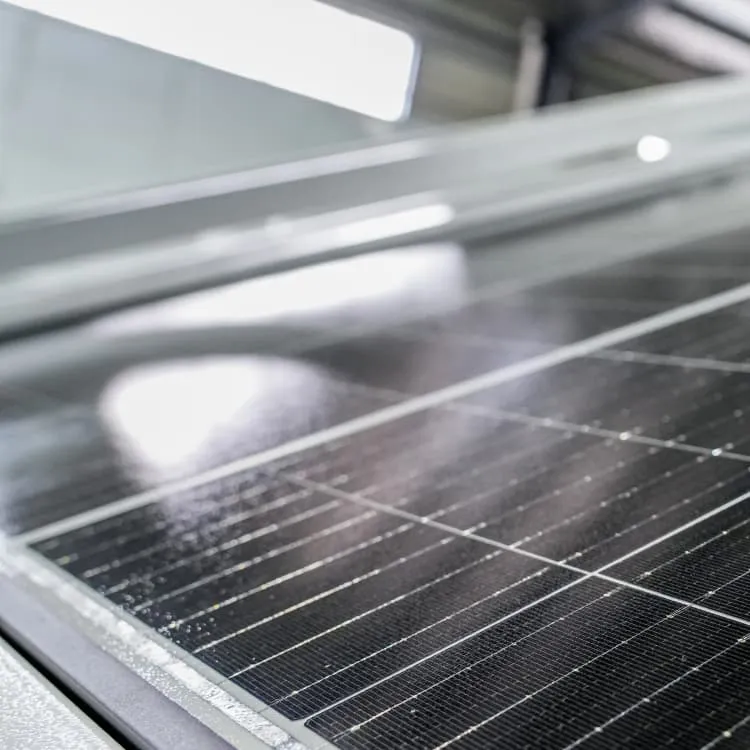
Ghana’s new clean energy program, backed by Switzerland’s Klik Foundation, will install 4,000 rooftop systems totaling 137 MW to expand renewable capacity and cut emissions. Ghana has launched its National Clean Energy Programme (NCEP) to expand the deployment of rooftop solar. .
Ghana’s new clean energy program, backed by Switzerland’s Klik Foundation, will install 4,000 rooftop systems totaling 137 MW to expand renewable capacity and cut emissions. Ghana has launched its National Clean Energy Programme (NCEP) to expand the deployment of rooftop solar. .
Ghana has officially commenced construction on a 200-megawatt (MW) solar power plant, a landmark project aimed at significantly boosting the nation’s renewable energy capacity and enhancing its energy security. The groundbreaking ceremony marks the first phase of an ambitious 400 MW solar. .
Ghana’s new clean energy program, backed by Switzerland’s Klik Foundation, will install 4,000 rooftop systems totaling 137 MW to expand renewable capacity and cut emissions. Ghana has launched its National Clean Energy Programme (NCEP) to expand the deployment of rooftop solar systems. The.
[PDF Version]