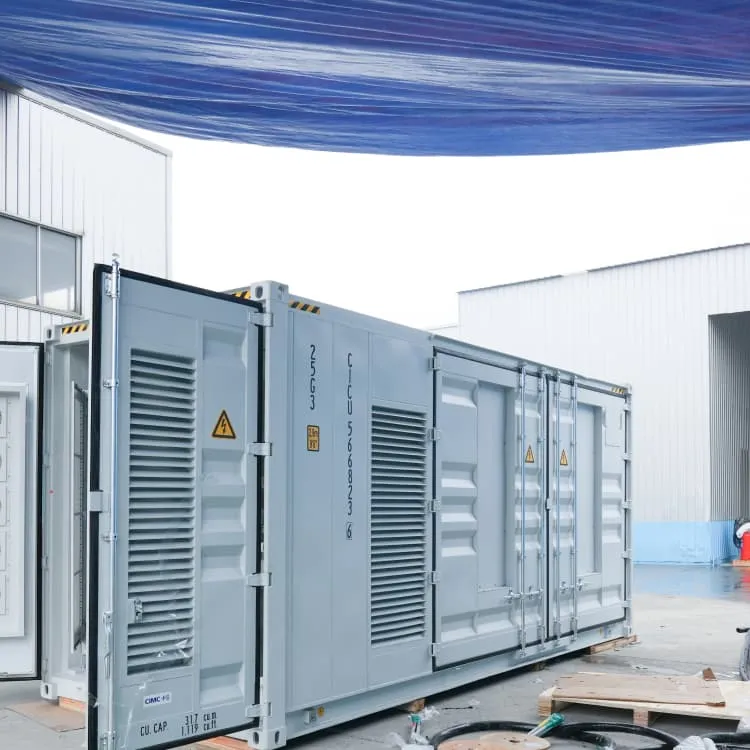
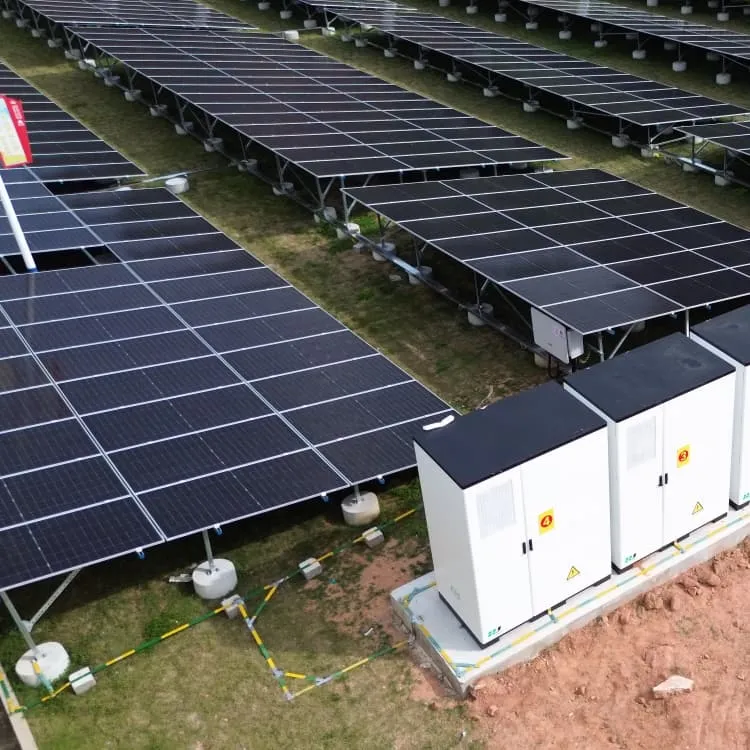
A BTS is usually composed of: Transceiver (TRX) Provides transmission and reception of signals. It also does sending and reception of signals to and from higher network entities (like the base station controller in mobile telephony). This can be separated into a dedicated device known as a Remote radio head (RRH). Power amplifier (PA) Amplifies the signal from TRX for transmission through antenna; may be in.
[PDF Version]
In the area of wireless computer networking, a base station is a radio receiver/transmitter that serves as the hub of the local wireless network, and may also be the gateway between a wired network and the wireless network. It typically consists of a low-power transmitter and .
[PDF Version]
A battery energy storage system (BESS), battery storage power station, battery energy grid storage (BEGS) or battery grid storage is a type of technology that uses a group of in the grid to store . Battery storage is the fastest responding on , and it is used to stabilise those grids, as battery storage can transition fr.
[PDF Version]
A power station, also referred to as a power plant and sometimes generating station or generating plant, is an industrial facility for the of . Power stations are generally connected to an . Many power stations contain one or more , rotating machines that converts mechanical power into . The relative motio.
[PDF Version]
A battery energy storage system (BESS), battery storage power station, battery energy grid storage (BEGS) or battery grid storage is a type of technology that uses a group of in the grid to store . Battery storage is the fastest responding on , and it is used to stabilise those grids, as battery storage can transition fr.
[PDF Version]

The global power supply market for base stations is experiencing robust growth, driven by the widespread deployment of 5G networks and the increasing demand for higher bandwidth and lower latency in telecommunications..
The global power supply market for base stations is experiencing robust growth, driven by the widespread deployment of 5G networks and the increasing demand for higher bandwidth and lower latency in telecommunications..
The global power supply market for base stations is experiencing robust growth, driven by the widespread deployment of 5G networks and the increasing demand for higher bandwidth and lower latency in telecommunications. The market, valued at approximately $10.2 billion in 2025, is projected to grow. .
Solar and wind are now expanding fast enough to meet all new electricity demand, a milestone reached in the first three quarters of 2025. Ember’s analysis published in November shows that these technologies are no longer just catching up; they are outpacing demand growth itself. Together, solar and. .
Record renewable deployment and the impact of AI were key trends in the energy landscape in 2025. Energy continued to be a key topic in 2025 - on the global news agenda and for the World Economic Forum. From energy transition momentum to increased focus on critical minerals, here are some of the.
[PDF Version]